
- Automotive Locksmith Guide
Locked Keys in Car in Urbana IL: What to Do Before You Call
- Locksmith Urbana IL
- 8 min read
- Urbana, IL. 61801 / 61802
Realizing you have locked keys in car in Urbana IL triggers the same instinct in almost everyone: panic first, think second. That instinct is exactly backwards. The order you take action in actually matters, both for your safety and for how fast you get back on the road.
Most guides on this topic treat “what to do” as a loose grab bag of tips, a slim jim mentioned here, a call-a-locksmith line there, with no real sequence. This guide is built the opposite way, as an actual order of operations: safety first, free self-help options second, and only then who to call and why. Whether you’re locked out at a Downtown Urbana meter, in a Campustown parking garage, or in your own driveway near Crystal Lake Park, the sequence below works the same way.
Step 1: Confirm You're Actually Safe First
Before touching a single door handle, take stock of where you are and whether anyone or anything inside the car needs urgent attention. This step gets skipped in almost every competitor article, buried instead as a side note deep in the page.
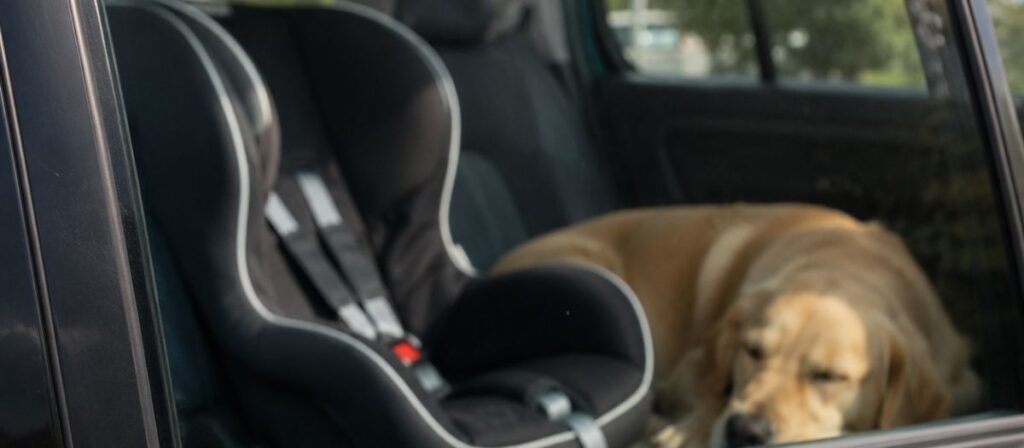
If a child or pet is locked inside the vehicle, this is no longer a routine lockout. Vehicle interior temperatures can climb dangerously fast, even on a mild Central Illinois day, and even faster during a summer afternoon near UIUC’s open parking lots with no shade. Call 911 immediately if this applies to you. Do not wait to try self-help steps first.
If you are safe and alone, and nothing inside the car needs urgent attention, move to the next step calmly. There is no need to rush a decision that isn’t time-critical.
Step 2: Try a Remote Unlock App Before Anything Else
This is the step almost no competitor mentions, and it is often the fastest, free way out of a lockout with a newer vehicle. If your car has a manufacturer app, phone-based access, or telematics service tied to your account, check it before trying anything physical.
FordPass, MyChevrolet, Hyundai Bluelink, Toyota app, and OnStar (GM vehicles) all support remote door unlock from a paired smartphone, provided you activated the service when you bought or leased the car. This takes under a minute if it’s set up, and it costs nothing. If you’re not sure whether your vehicle has this, check the glovebox manual or your dealership paperwork before assuming it doesn’t apply to you.
Step 3: Check for a Spare Before Calling Anyone
If the app route isn’t available, think through who might have a spare key within reach. A roommate, partner, or family member nearby can solve this in minutes if a spare exists. For UIUC students and Campustown renters specifically, this is often the fastest fix, since a spare left with a roommate is common in shared housing near campus.
If your spare is at home and you’re locked out somewhere like a Philo Road corridor parking lot or a downtown meter, weigh the drive time for someone to bring it against simply calling a locksmith. Sometimes the spare is the fastest option. Sometimes it isn’t, and that’s fine to admit.
Step 4: Check the Trunk and Other Doors
Before assuming you’re fully locked out, physically check every other point of entry. Rear doors and hatchbacks are sometimes left unlocked even when the front doors are secured, especially after loading groceries or gear. If your vehicle has a rear seat pass-through or a fold-down trunk access panel, and your keys are visible inside the trunk rather than the cabin, this can occasionally offer a way in without forcing anything.
Why DIY Entry Tools Are Riskier Than They Look
If none of the above works, it’s tempting to search for a DIY fix. Be careful here, since this is where most avoidable damage happens.
Slim jims and long-reach tools were designed for older vehicles with simple mechanical linkage locks. On a modern car with electronic locking systems, wiring harnesses, and airbag sensors built into the door panel, the same tool can cause real damage, sometimes expensive damage, well beyond the cost of a professional unlock.
The coat hanger method carries the same risk. Shaping a hanger into a hook and fishing for the lock mechanism can work on some older vehicles, but on anything built in the last decade or so, you’re far more likely to scratch the window, bend interior trim, or trigger a warning light than actually get the door open.
Inflatable wedge kits are gentler than the two methods above but still carry risk if used incorrectly, particularly around the door seal and window frame. If you’re going to attempt any DIY method, this is the safer of the three, but it still isn’t risk-free.
In practice, most locksmiths will tell you the vehicles that come in for post-DIY repair almost always cost more to fix than the original lockout would have cost to resolve professionally. If you’re not confident, skip straight to calling.

Step 5: Decide Who to Call
Once you’ve ruled out the free options, the decision comes down to three realistic choices, and each fits a different situation.
Roadside assistance through your insurance or AAA is often the cheapest option if you already have the coverage, since many policies include lockout service at no extra charge. Check your policy or app before assuming you need to pay out of pocket. Response time can vary more than a local locksmith during peak hours, since roadside providers dispatch across a wider service area.
A licensed automotive locksmith typically responds faster within Urbana and Champaign County specifically, since they aren’t dispatching from a regional call center. A locksmith can also cut a new key on the spot using your vehicle’s VIN if no spare exists anywhere, which roadside assistance generally cannot do.
The dealership can also cut a new key from your VIN, but expect a longer wait, especially outside business hours, and expect to pay more than a locksmith in most cases. This route makes more sense if you’ve already lost your only key rather than simply locked it inside.
Champaign County Sheriff and Urbana Police: When to Involve Them
Beyond the child-or-pet emergency covered in Step 1, police involvement in a routine lockout is limited. For a standard lockout with no urgent safety concern, calling 911 is not the right move, and it pulls emergency resources away from actual emergencies.
If you feel unsafe where you’re stranded, for instance a poorly lit lot late at night, Champaign County Sheriff’s non-emergency line or Urbana Police’s non-emergency number is the appropriate call, not 911. Officers generally will not perform the unlock themselves but can stay with you or advise on next steps while you wait for a locksmith or roadside assistance.
What Most Locked-Keys-in-Car Guides Don't Tell You
A few things get consistently skipped or oversimplified across the competitor content available online.
Most guides present “call roadside assistance or a locksmith” as functionally interchangeable, without explaining that a locksmith can cut a replacement key on-site from your VIN when no spare exists anywhere, while standard roadside assistance generally cannot. If your keys aren’t just locked inside but genuinely lost, this distinction determines who you actually need to call.
Winter and summer both change the calculus in Central Illinois in ways no competitor article accounts for. A frozen door lock in January can make even legitimate entry tools harder to use safely, and cold makes some DIY methods more likely to crack trim or seals that are already brittle from the temperature. In summer, the same lockout becomes a genuine time-pressure situation if anything living is inside the vehicle, which loops back to why Step 1 matters more than any tool or app.
Finally, almost no guide mentions verifying who you’re calling. Illinois locksmiths are licensed under 225 ILCS 447, and a legitimate mobile locksmith should be able to confirm licensing and ask for proof of ownership or vehicle registration before unlocking your car, not just show up and go to work on any vehicle you point to. That verification step protects you as much as it protects them.
Frequently Asked Questions
How do I unlock my car if I locked the keys inside and have no spare?
First check for a manufacturer remote-unlock app if your vehicle supports one. If that’s not available, a licensed automotive locksmith can typically cut a new key on-site using your vehicle’s VIN, even with zero spare keys.
Who should I call for locked keys in a car near me in Urbana?
For a standard lockout with no safety emergency, call a licensed local automotive locksmith or your roadside assistance provider if you have coverage. Reserve 911 for situations involving a child or pet locked inside the vehicle.
Will a car lock itself if the keys are left inside?
Many modern vehicles with keyless entry can lock automatically after a set period, sometimes without the driver realizing the fob never made it out of the car. This is one of the most common ways people end up locked out unintentionally.
What tools can actually unlock a car without damaging it?
A trained locksmith uses non-destructive tools designed for your specific vehicle’s lock type, which is why professional entry rarely causes the scratching or trim damage common with DIY slim jims or coat hangers.
How much does it cost to get locked keys out of a car in the Urbana area?
Cost depends on whether the door simply needs unlocking or a new key needs to be cut from scratch. A basic unlock is generally the lowest-cost option, while VIN-based key cutting costs more due to the parts and programming involved. A locksmith can quote an exact price once they know your situation.
Is it faster to call a locksmith or use my insurance's roadside assistance?
A local automotive locksmith is often faster within Urbana and Champaign County specifically, since roadside assistance dispatches from a broader regional network. If cost matters more than speed and you already have coverage, roadside assistance may be the better call.
How do I open a car door if the key is lost entirely, not just locked inside?
This requires cutting a new key rather than simply unlocking the door. A locksmith or dealership can do this using your vehicle’s VIN, though a locksmith typically completes it faster and at a lower cost than most dealerships.
✅ Key Takeaways
Locked keys in car in Urbana IL situations go smoother when you follow a real order: confirm safety first, especially if a child or pet is involved, try a free remote-unlock app or nearby spare next, avoid DIY tools on anything newer than a decade old, and only then decide between roadside assistance, a locksmith, or a dealership based on your specific situation.
If you’re locked out right now and none of the free options apply, a licensed local locksmith is usually the fastest, safest path back into your vehicle. Call (217) 288-2915 for automotive lockout assistance anywhere in Urbana or Champaign County, or visit our automotive locksmith services page to see what’s included.
- Available Right Now
Dealing With a Lockout Right Now?
Locksmith Urbana IL is available 24 hours a day, every day. Same-day service, upfront pricing, and a local technician who knows the Champaign County area.
Most calls in ZIP 61801 & 61802 see a technician on-site within 35 minutes